Energy-Efficient Home Upgrades in Austin That Actually Pay Off (And Which Ones Don’t)
Energy-efficiency is all the rage, but what's worth it and what isn't?
Energy-Efficient Home Upgrades in Austin That Actually Pay Off (And Which Ones Don’t)
Energy efficiency is one of the most talked-about topics in home renovation — and one of the most misunderstood.
Many Austin homeowners come into a remodel assuming that any energy-efficient upgrade will automatically save money in the long run. Solar panels, high-end windows, smart thermostats, spray foam insulation — it all sounds like a guaranteed win.
The reality is more nuanced.
Some energy-efficient upgrades truly do pay for themselves in Austin’s climate. Others sound good on paper but take decades to break even, or only make sense in very specific situations.
This article breaks down which energy-efficient home upgrades actually make financial sense for Austin homeowners, which ones are often oversold, and how to think about efficiency upgrades realistically — not emotionally or based on marketing.
Why Energy Efficiency Matters More in Austin Than Many Cities
Austin’s climate creates a unique energy profile.
We deal with:
- Long, hot summers
- High cooling demand
- Increasing electricity costs
- Growing strain on the power grid
- Occasional winter extremes
For most homes, cooling accounts for the largest portion of energy usage, not heating. That means upgrades that reduce heat gain and improve HVAC efficiency tend to offer the biggest returns.
Understanding that context is critical. What makes sense in a colder or milder climate doesn’t always translate well to Central Texas.
Upgrade #1: Insulation Improvements (One of the Best Returns)
If you’re looking for the most reliable energy upgrade ROI in Austin, insulation is usually at the top of the list.
Many homes — especially those built before the mid-2000s — are under-insulated by today’s standards.
Where Insulation Pays Off Most
- Attics
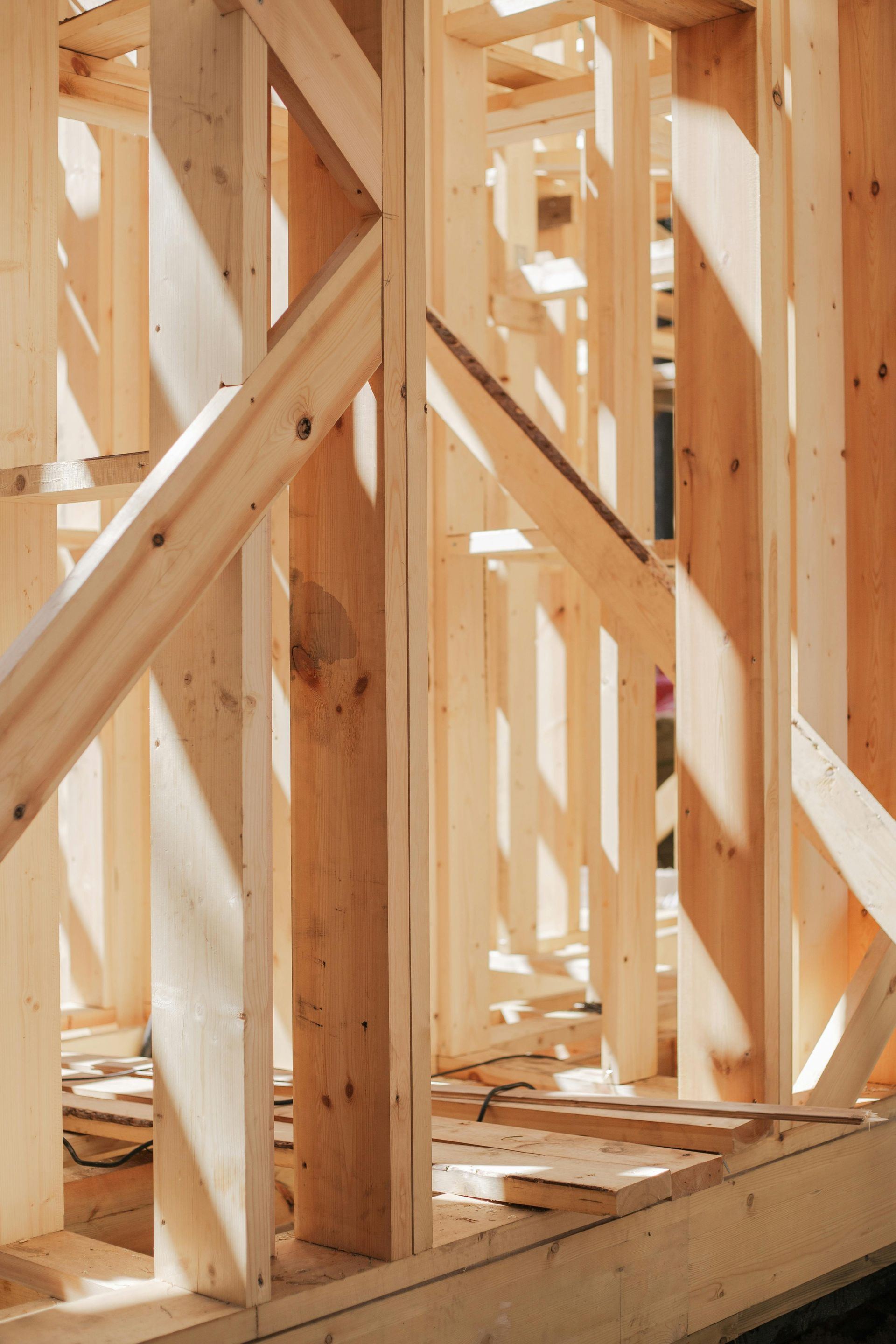
- Exterior walls during remodels
- Garage-to-house walls
- Cantilevered floors
Improving attic insulation alone can significantly reduce cooling costs and improve comfort.
Why It Works So Well Here
Heat enters primarily from above and through the building envelope. Reducing that heat gain lowers how hard your AC has to work — and AC usage is where most Austin energy dollars go.
Common Mistake
Homeowners sometimes jump straight to spray foam everywhere. Spray foam has its place, but blown-in or batt insulation often provides better cost-to-benefit for existing homes.
Upgrade #2: Air Sealing (Often More Important Than Insulation)
Insulation doesn’t work well if air is freely leaking in and out of the house.
Air sealing addresses:
- Attic penetrations
- Recessed lights
- Plumbing and electrical chases
- Leaky doors and windows
Why Air Sealing Is Overlooked
It’s not visible. There’s no “wow factor.” But it can dramatically improve performance.
In many cases, air sealing delivers bigger energy savings than adding insulation alone.
Upgrade #3: High-Efficiency HVAC Systems (When It Makes Sense)
HVAC upgrades can absolutely reduce energy costs — but only under the right conditions.
When HVAC Replacement Pays Off
- Your system is over 12–15 years old
- Repairs are becoming frequent
- The home has already been air sealed and insulated
- The system is properly sized
Common Budget Mistake
Replacing HVAC without fixing insulation and air leakage first. This often leads to oversized systems that cycle inefficiently and fail early.
Austin-Specific Consideration
Variable-speed systems perform particularly well in Austin’s long cooling season, maintaining comfort while using less energy.
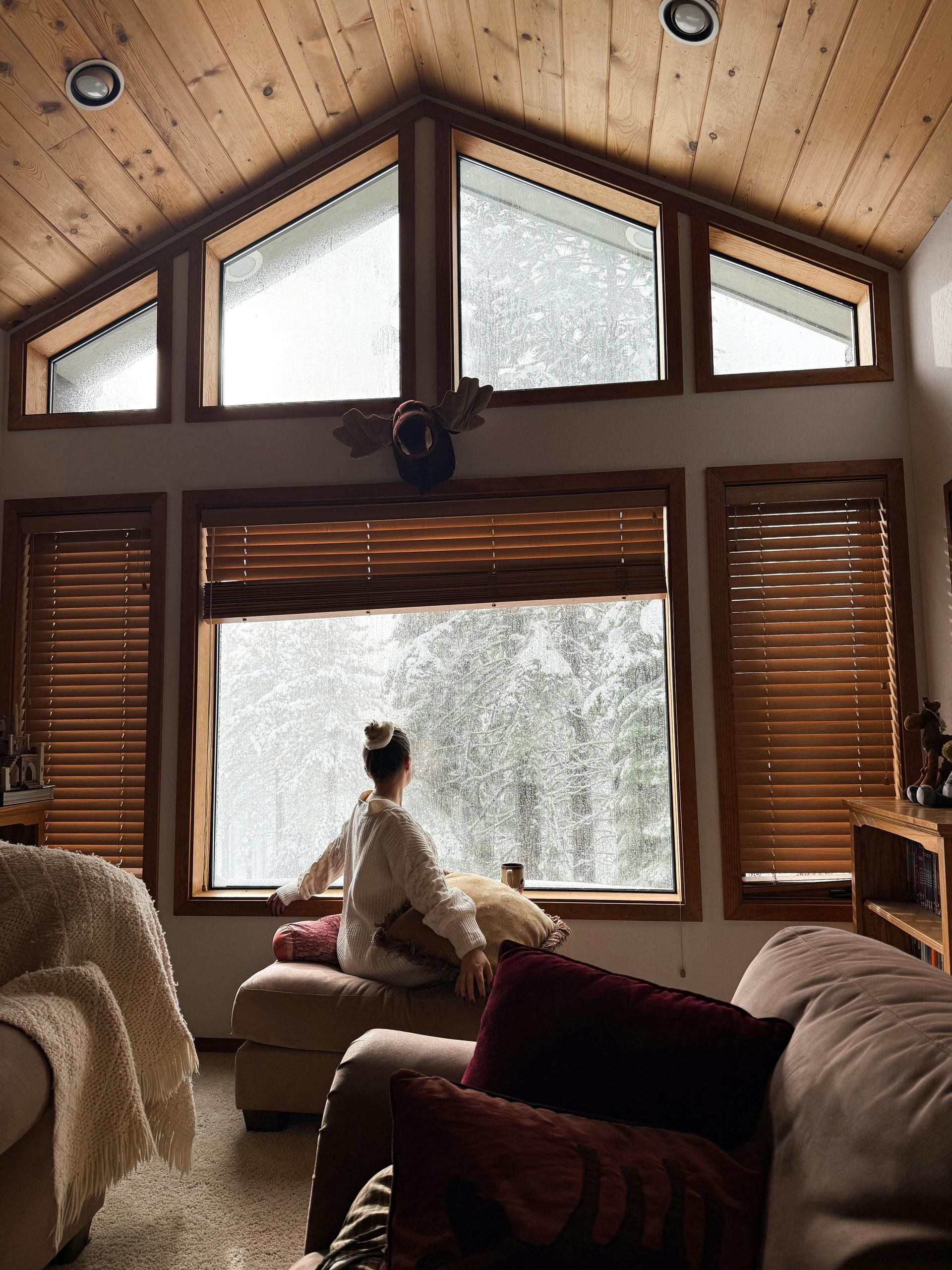
Upgrade #4: Windows (Good for Comfort, Mixed ROI)
New windows are one of the most requested upgrades — and one of the most misunderstood financially.
What Windows Do Well
- Improve comfort
- Reduce drafts
- Improve appearance
- Reduce UV damage
What They Don’t Always Do
Pay for themselves quickly.
In most cases, window replacements in Austin take 20–30 years to fully recoup costs through energy savings alone.
When Windows Make Sense
- During major remodels
- When existing windows are failing
- For west- or south-facing exposures with excessive heat gain
Upgrade #5: Cool Roofs and Roofing Materials
Roofing is a major heat contributor in Austin.
Light-colored or reflective roofing materials can reduce attic temperatures significantly.
When This Pays Off
- When a roof already needs replacement
- In homes with low attic insulation
- For homes with limited shade
When It Doesn’t
Replacing a perfectly good roof just for efficiency usually doesn’t pencil out.
Upgrade #6: Solar Panels (High Impact, Situation-Dependent)
Solar gets a lot of attention in Austin — and for good reason.
When Solar Makes Sense
- High electricity usage
- Long-term ownership plans
- Good roof orientation
- Minimal shading
When It’s Oversold
Solar is often marketed as “free energy,” but financing terms, roof life, and system sizing matter a lot.
Solar is best viewed as a long-term hedge against rising energy costs, not a short-term ROI play.
Upgrade #7: Smart Thermostats (Low Cost, Moderate Impact)
Smart thermostats are inexpensive compared to other upgrades and can offer real savings — especially for homeowners with variable schedules.
Why They Work
They reduce unnecessary cooling during unoccupied hours and improve system efficiency.
Why They’re Not Magic
They can’t compensate for poor insulation, leaky homes, or oversized HVAC systems.
Upgrade #8: Tankless Water Heaters (Often Misunderstood)
Tankless systems are efficient — but not always cost-effective.
When They Make Sense
- High hot water demand
- Limited space
- Gas systems replacing gas tanks
When They Don’t
Electric tankless units and low-usage households often see long payback periods.
Upgrade #9: Efficient Appliances (Incremental Gains)
ENERGY STAR appliances do reduce energy usage, but savings are usually incremental.
They make sense when appliances already need replacement — not as standalone upgrades.
Why Some Energy Upgrades Don’t Pay Off Financially
Energy upgrades fail financially when:
- They’re installed without addressing fundamentals
- They’re chosen for marketing appeal
- Homeowners plan to sell short-term
- Costs aren’t evaluated honestly
Efficiency should support comfort, durability, and long-term value — not just monthly bills.
A Smarter Way to Think About Energy Efficiency
The best-performing homes focus on:
- Air sealing
- Insulation
- Right-sized mechanical systems
- Thoughtful upgrades
This layered approach consistently outperforms “silver bullet” solutions.
How to Prioritize Energy Upgrades During a Remodel
If you’re already opening walls or ceilings, efficiency upgrades become much more cost-effective.
This is when insulation, air sealing, and wiring improvements offer the biggest return.
Final Thoughts
Energy efficiency in Austin absolutely matters — but not all upgrades are created equal.
The best investments reduce heat gain, lower cooling demand, and improve comfort year-round. The worst are driven by hype, not performance.
A thoughtful plan — tailored to your home, your usage, and your long-term goals — is what turns energy efficiency from a buzzword into a real benefit.
You might also like